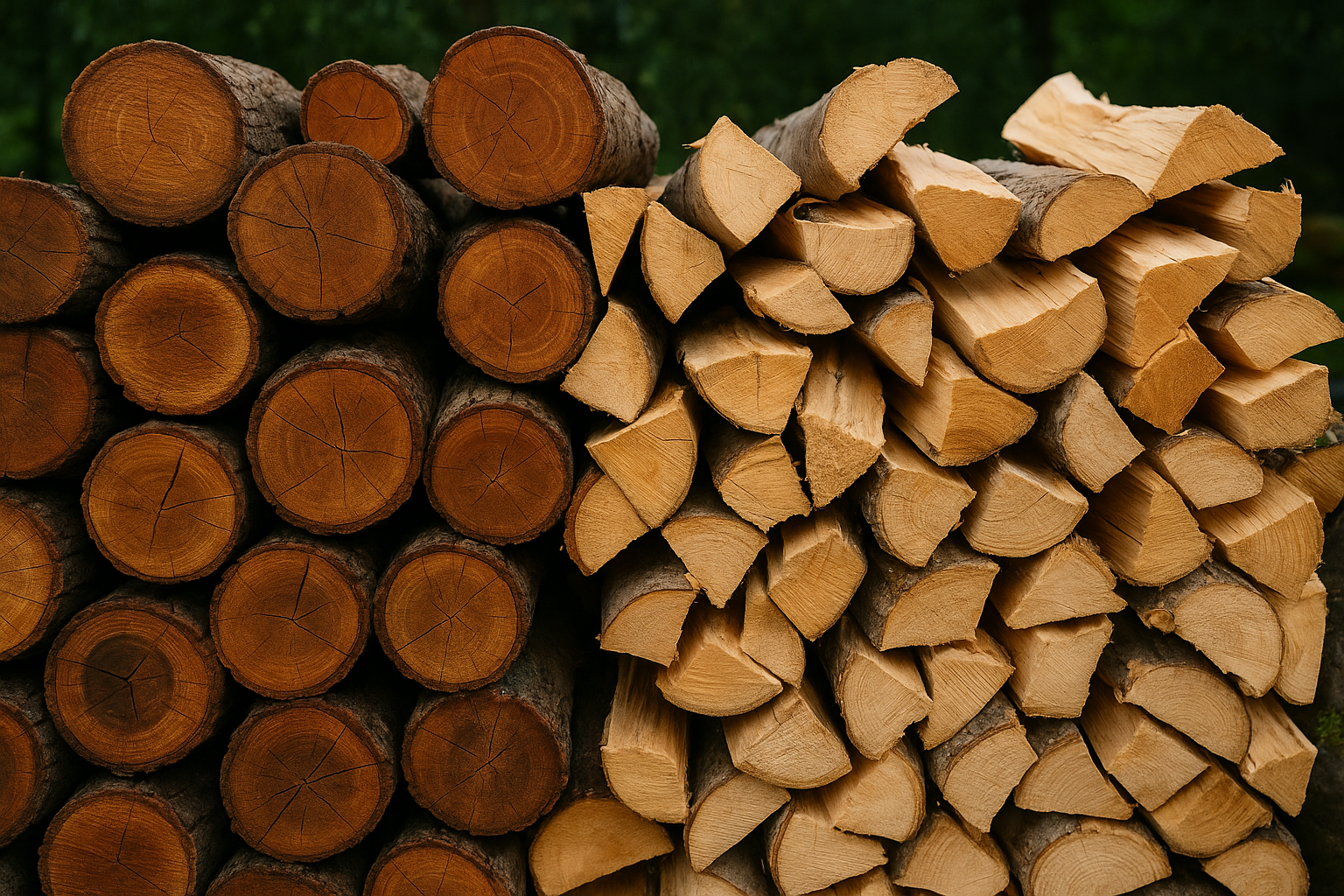

Best Trees for Firewood
When it comes to selecting firewood, not all wood burns equally. Choosing the best trees for firewood can make a big difference in heat output, burn time, and the quality of your fire. In this guide, we'll explore the top types of firewood for efficiency, affordability, and warmth. Whether you’re heating your home or enjoying a cozy outdoor fire pit, here are the best trees for firewood.
What Makes Firewood Burn Well?
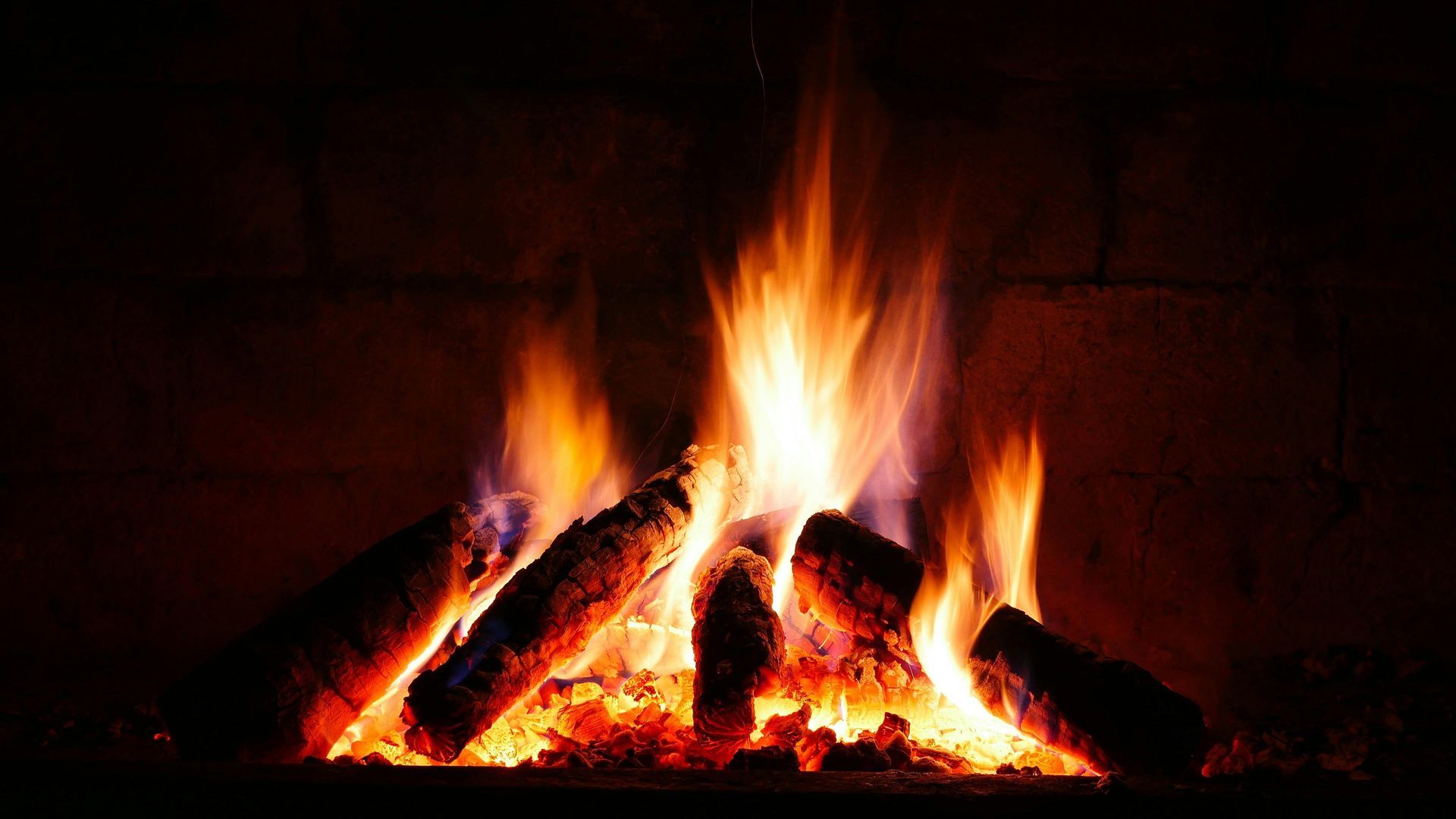
The best firewood is dry enough for the heat of the fire to warm the room instead of evaporating water from the log. Density matters too: dense hardwoods generally provide a steadier, longer burn, while softer woods can light more quickly and suit shorter outdoor fires.
Moisture is the practical checkpoint. A University of Maryland Extension firewood study identifies about 20% internal moisture as the target for well-seasoned wood. Test the middle of a freshly split piece, not only the dry-looking end.
Do you need firewood in the Baltimore Area? We Can Help.
How Five Firewood Species Compare
Species affects density and drying time, but no species performs well when the center of the log is still wet. Use this comparison to understand the tradeoffs, then confirm what a supplier actually has available rather than assuming every hardwood load contains a specific species.
Oak
Oak is dense and well suited to a steady fire after it has dried thoroughly. University of Maryland Extension notes that oak would likely dry more like dense hickory or black locust than faster-drying species, so it may require a longer lead time. Split it, keep it elevated, cover the top, and allow airflow.
Hickory
Hickory is another dense hardwood that can provide sustained heat, but density slows internal drying. In the Maryland study, split hickory still averaged about 24% moisture after one year. That does not make hickory a poor choice; it means buyers should verify moisture instead of relying on age alone.
Black Locust
Black locust is dense and useful for a long-burning fire once properly seasoned. It also needs patience. The Maryland research found that internal moisture could remain higher than the ends, reinforcing why a meter reading should come from the middle of a newly split piece.
Black Cherry
Black cherry dried faster than the densest woods in the Maryland study. Split samples reached roughly 20% to 21% average moisture after about six and a half months under the study conditions. Actual timing still changes with log size, sun, airflow, cover, humidity, and the season when the tree was cut.
Hackberry
Hackberry also reached an acceptable burning range faster than hickory in the study, at about seven months. It can be a practical option when it is properly split and seasoned. As with every species, the moisture reading and storage condition matter more than a seller simply calling the load seasoned.
How to Check and Prepare Firewood
Split a representative piece and test the center with a moisture meter. A reading near 20% is a better indicator than cracks on the ends or the number of months since cutting. University of Maryland Extension found that unsplit hickory remained above 30% moisture after one year, while split pieces dried much faster.
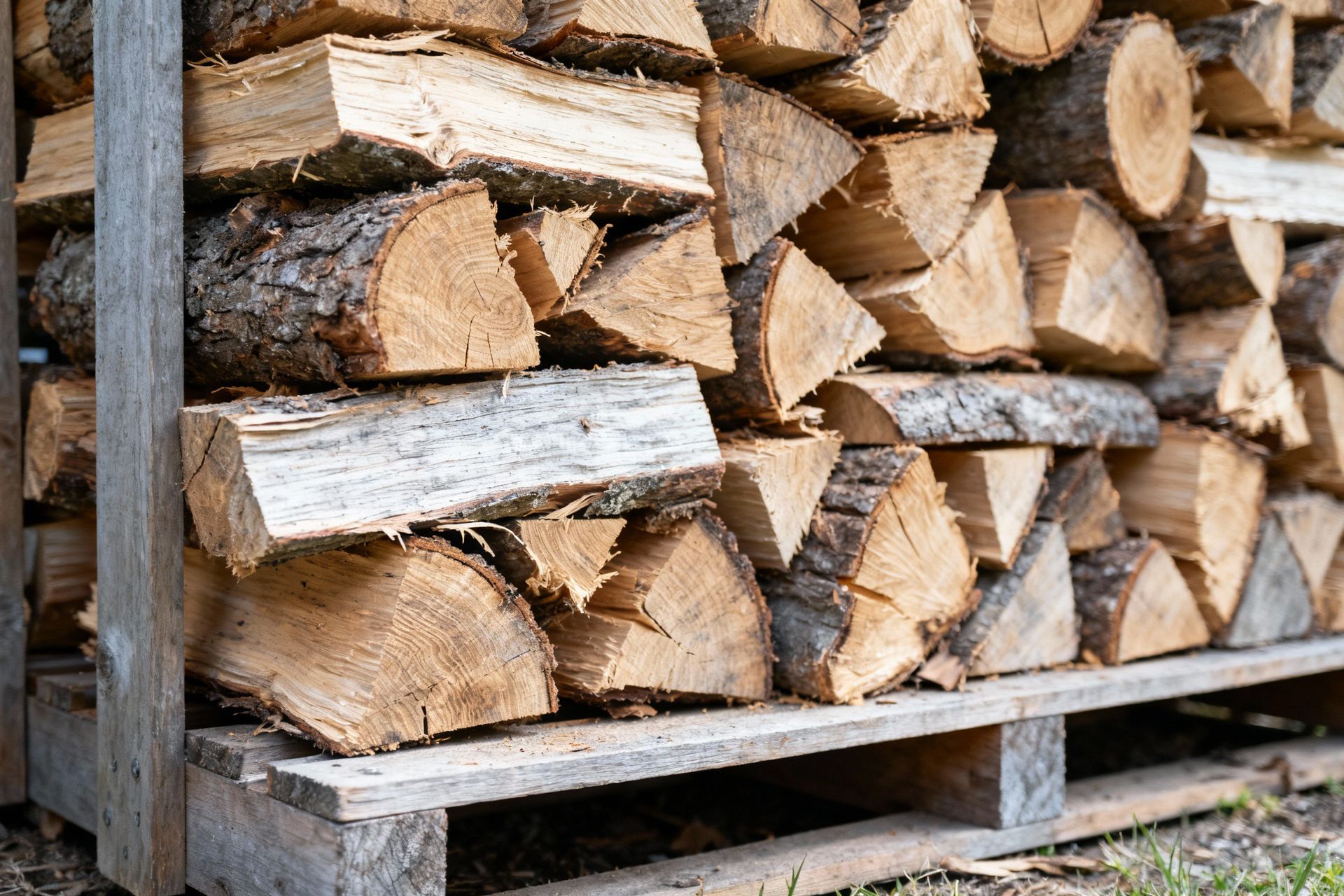
Store firewood off the ground with the top protected from rain and the sides open to airflow. Smaller split pieces dry faster because more surface area is exposed. Do not assume green ash or any other freshly cut species is ready to burn: excess moisture reduces useful heat and increases smoke.
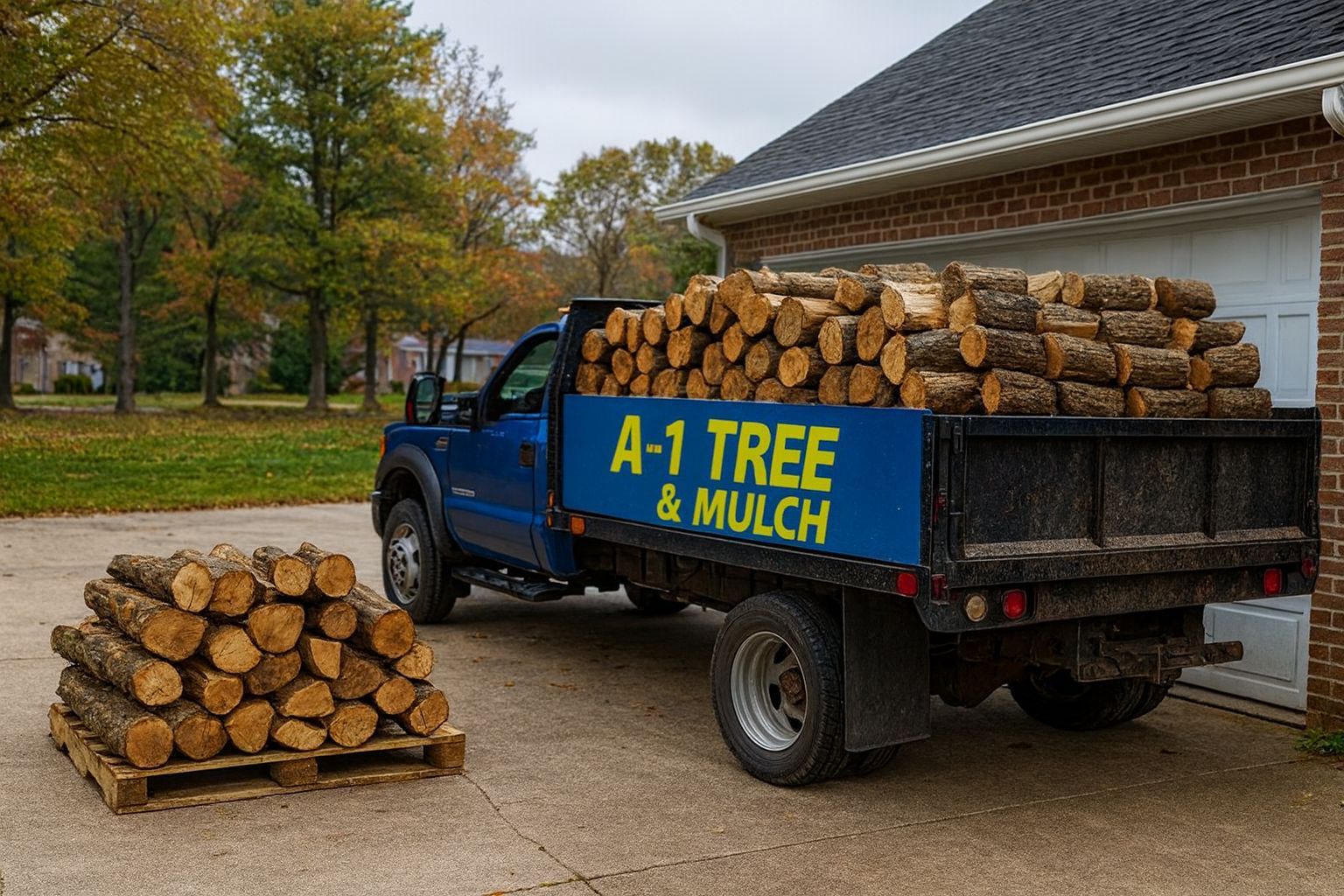
A-1 Tree & Mulch's bulk cord wood is air seasoned. Current hardwood, softwood, delivery, and stacking details are listed on the firewood delivery page. Call 443-831-1280 before ordering to confirm availability and the right option for your fireplace, stove, fire pit, or restaurant.
Frequently Asked Questions
What is the best wood for a long-lasting fire?
Dense hardwoods such as oak, hickory, and black locust can support a longer, steadier burn when properly seasoned. Density also means they may need more drying time. Check the internal moisture of a freshly split piece and aim for about 20% rather than choosing by species name alone.
Can I burn green wood?
Green wood contains too much moisture for an efficient, clean fire. Energy that should become useful heat is spent evaporating water, and the fire produces more smoke. Split, stack, cover, and season the wood, then test the middle of a freshly split piece before burning it.
How long should firewood season?
Drying time depends on species, piece size, splitting, airflow, sun, cover, humidity, and harvest season. In University of Maryland research, some split species approached 20% moisture in six to seven months, while dense hickory remained above that target after one year. Measure moisture instead of relying only on a calendar.
Is softwood useful as firewood?
Softwood can be useful when you want a fire that lights quickly or burns for a shorter period, including some outdoor uses. Hardwood is generally chosen for steadier, longer heat. A-1 supplies both categories, so confirm current availability and match the order to how you plan to burn it.
Choose Dry Wood for the Fire You Want
Oak, hickory, black locust, black cherry, and hackberry can all be useful firewood. The best choice combines the burn you want with proper internal moisture. Dense wood can offer longer heat, but it may also take longer to season, so species and readiness must be considered together.
Check the current Maryland firewood delivery options, then call 443-831-1280 to confirm hardwood or softwood availability, delivery details, and stacking before you order.