
Firewood Safety and Storage Tips for a Safe Winter
A wood fire should feel simple once it is lit, but the safety work starts well before then. The wood needs to stay dry, the storage area needs airflow, and the fireplace or stove needs sensible habits every time it is used.
For Baltimore County homes, that means planning for damp weather, keeping the main pile outside, and choosing firewood and delivery details that fit the way you use it. A little preparation helps keep smoke, moisture, pests, and last-minute winter problems out of the picture.
Firewood safety and storage start with dry wood, an outdoor stack raised off the ground, and a safe burning routine. Cover the top of the pile while keeping its sides open for airflow, keep the main supply away from the house, and arrange regular professional inspection of the wood-burning system.
Set Up Your Woodpile Before Cold Weather Arrives
Call or text us to confirm the current firewood options, quantity, and delivery details for the way you plan to burn this season.
Firewood Safety and Storage Starts With Dry Wood
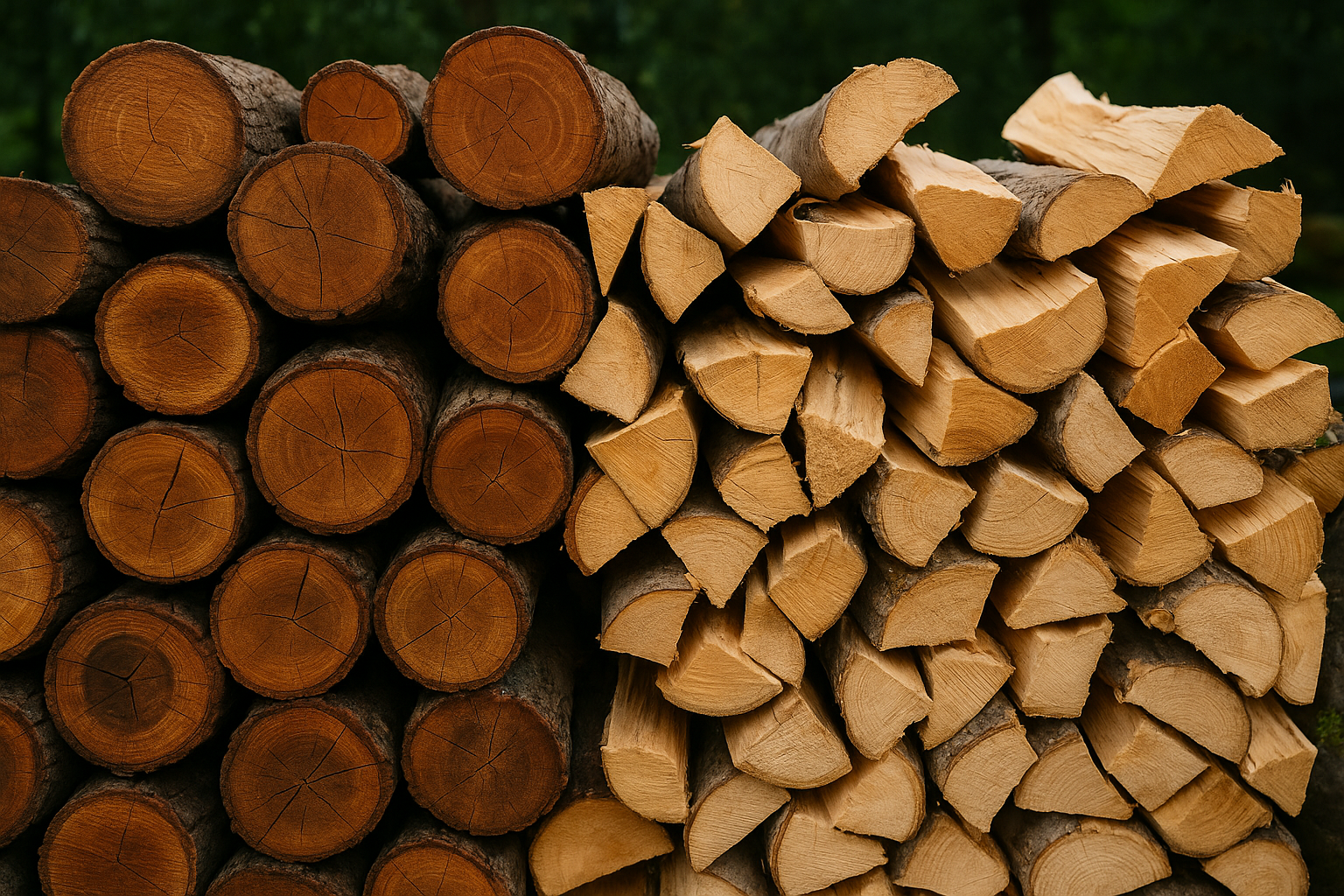
Dry wood is the starting point for a cleaner, more manageable fire. Store the main supply outdoors on a raised base, protect it from rain at the top, and leave the sides open so air can move through the stack. Wet or poorly stored wood creates more smoke and makes a fire harder to manage.
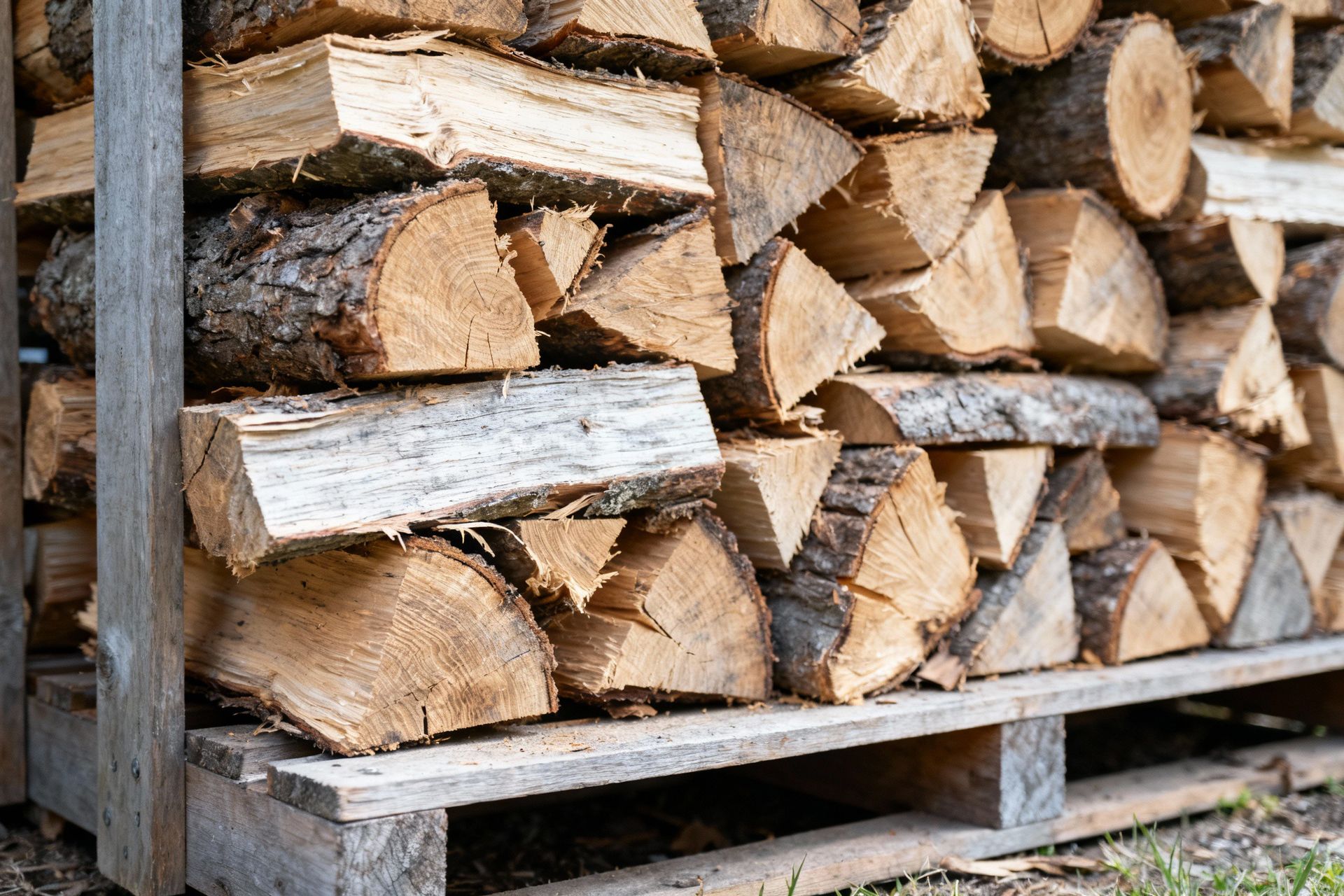
Keep the stack off bare soil with a rack, pallet, or another stable raised base. That helps the bottom courses avoid ground moisture and gives the pile a chance to dry after rain. A tarp placed over the top can protect the stack, but wrapping the whole pile traps moisture. The goal is a protected top and open sides, not a sealed bundle.
Choose a well-drained location that is convenient to reach but not pressed against the house. Keeping the main pile away from exterior walls gives you room to inspect the area and avoids making the home part of the storage system. Before bringing wood inside, look it over for excess moisture, debris, or signs that it has been sitting in a problem area.
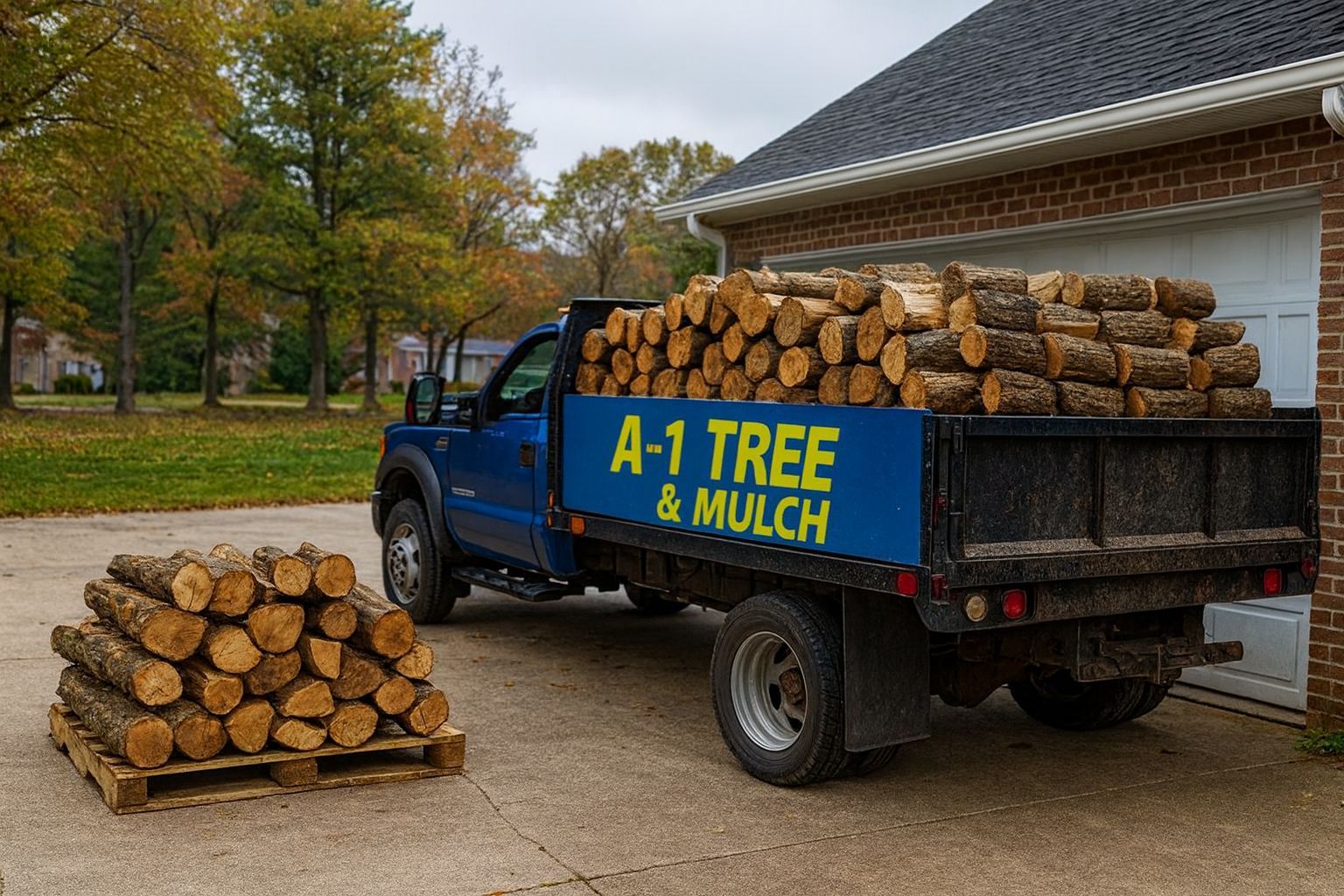
A-1's bulk cord wood is seasoned outdoors in ventilated builder's bags. The kiln-dried option is the quarter-cord bag only. That distinction matters when you are choosing an order for a fireplace, stove, fire pit, or another wood-burning setup.
Firewood Storage Choices at Home
The outdoor main supply and the indoor ready-to-burn supply serve different purposes.
Keep the larger supply raised off the ground, covered on top, open at the sides, and positioned away from the house.
Bring in only a small amount for a day or two of burning, then keep the larger stack outdoors where it can stay ventilated.
Six months is the minimum seasoning period the EPA recommends before burning wood. It also advises storing wood outdoors, off the ground, with only the top covered so the sides can release moisture. See the EPA wood-burning guidance.
Burn Firewood With a Simple Safety Routine
Safe burning means using suitable wood, giving the fire proper airflow, and paying attention to the fireplace or stove from lighting through cleanup. Burn natural, untreated wood only. Do not burn painted or treated lumber, trash, plastics, or household materials that can create harmful fumes or leave damaging residue behind.
Build the fire gradually with dry kindling and a few pieces of wood rather than loading the firebox at once. A fire needs room for air to move. If smoke repeatedly comes into the room, the fire is difficult to keep going, or the system is not drawing as expected, stop and have the setup checked by an appropriate chimney professional before relying on it again.
Regular professional inspection of a fireplace, stove, chimney, and venting system is part of responsible wood burning. It is not a service A-1 provides, but it is a sensible seasonal step for any home that uses wood heat or a wood-burning fireplace. Check that the system is clear and ready before the first cold-weather fire, rather than discovering an issue after it is already in use.
After a fire, give ash time to cool completely. Put cooled ash in a metal container with a tight lid and keep that container away from the house and anything combustible. Treat ashes cautiously, because they can hold heat longer than they appear to.
Choose Firewood That Fits Your Plan
Call us before ordering so we can confirm the current products, quantities, pricing, and delivery details for your home or fire feature.
Order Firewood With the Right Details Confirmed
Order firewood by starting with how you will use it, how much protected outdoor space you have, and when you expect to burn it. A bulk order makes sense for homes with a suitable storage area. A smaller kiln-dried quarter-cord bag may fit a shorter-term need. The useful decision is the one that matches your space and schedule.
For current options, visit our Firewood Delivery page and then call or text us to confirm what is available for your order. A-1 offers mixed hardwood and mixed softwood options. Bulk cord wood receives free driveway delivery within 15 miles. The kiln-dried quarter-cord bag is priced separately from bulk wood, and its delivery charge is confirmed when you book.
Stacking is not included with delivery and may be available for an additional charge. Larger orders receive a custom volume quote. These details are worth confirming before delivery day, along with the driveway location and the place where the wood will be stored. A clear plan keeps the delivery straightforward and gives the wood the right place to stay dry.
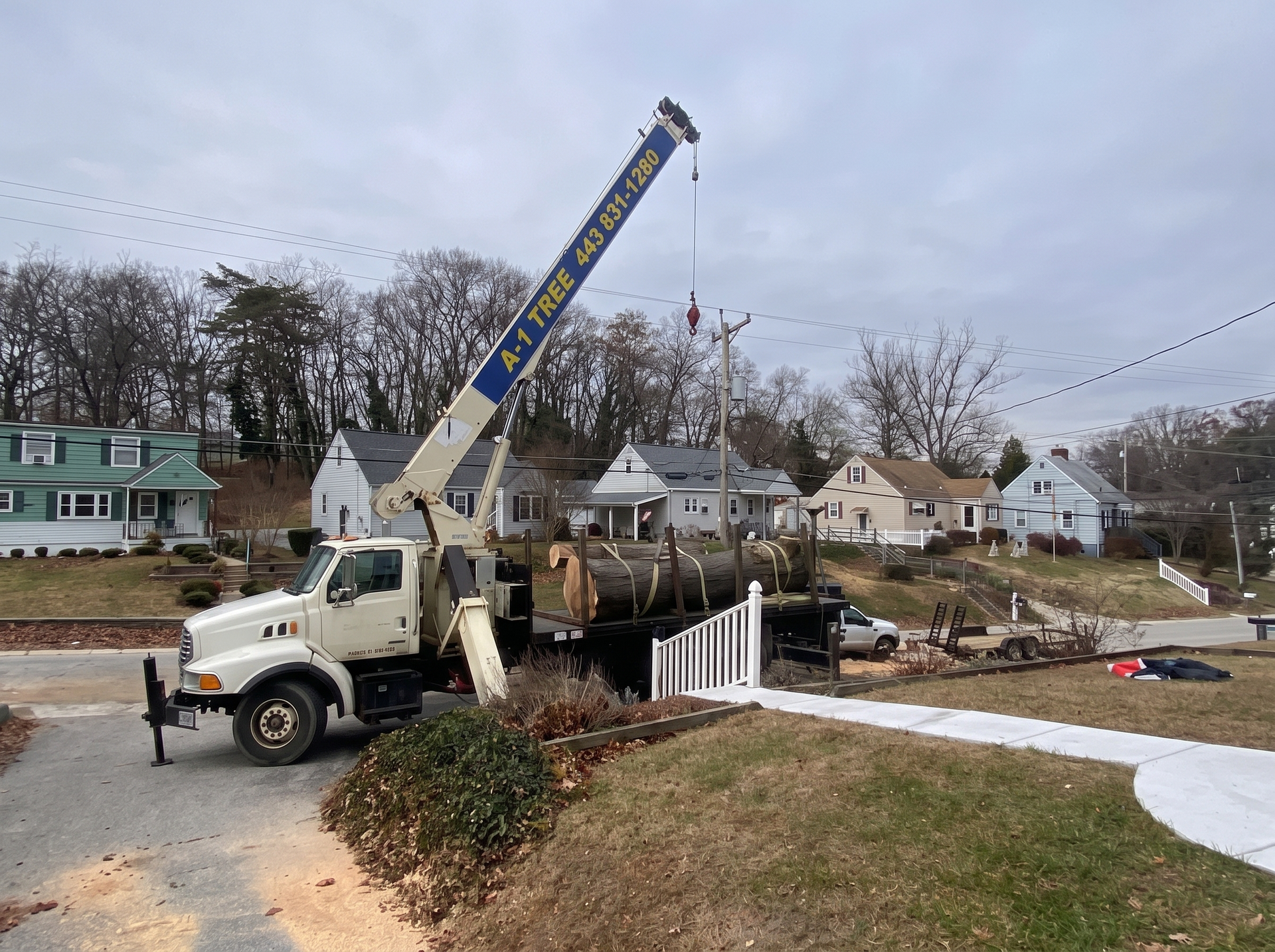
Firewood is one part of A-1's closed-loop work. Trees we remove are processed into mulch and firewood, helping local material stay in useful circulation. If you are comparing products for a home fire, the hardwood versus softwood guide explains the practical differences, while the Maryland ordering guide helps you plan ahead of peak winter demand.
Make Storage Part of Your Winter Preparation
The best storage plan is ready before you need the first fire. It gives the wood a dry, ventilated place outdoors, leaves only a small working amount indoors, and keeps the burning system on a regular professional inspection schedule. Those steps are easier to handle before rain, freezing weather, or a busy winter weekend arrives.
Walk the storage spot before ordering. Make sure the surface is stable, the pile can stay raised, and the top can be covered without closing off the sides. Think through the route from delivery point to storage rack. If the space is limited, a smaller order or a different storage plan may be more useful than creating a pile that cannot stay dry.
When the burning season is underway, pay attention to what the fire and the wood are telling you. Wood that will not light easily, excessive smoke, a persistent odor indoors, or a system that does not draw properly are reasons to pause and address the underlying issue. A comfortable fire should not require you to ignore warning signs.
Firewood Storage Questions Answered
What is the best way to store firewood?
Store the main firewood supply outdoors on a raised base in a well-drained spot. Cover the top of the stack to protect it from rain, but leave the sides open for airflow. Keep the pile away from the house, and bring only a small amount indoors when you are ready to burn it.
Can firewood be stored indoors?
Keep the main supply outdoors and bring in only a small amount for a day or two of burning. An outdoor stack has the ventilation needed to stay dry and gives you a place to check the wood before use. Short-term indoor storage keeps the fireplace or stove supplied without turning the home into the main woodpile.
For the next step, use these live resources to plan your order and storage:
- Firewood Delivery in Baltimore County
- Hardwood vs. Softwood Firewood
- When to Order Firewood in Maryland
Prepare for Safe Fires Before Winter Gets Busy
Call or text A-1 Tree & Mulch to confirm the delivery details that help you keep a ready, well-stored firewood supply.