
Hardwood vs. Softwood: What Type of Firewood Should You Order?
You do not need a universal winner between hardwood and softwood. You need the right load for the fire you plan to build. A long evening in a wood stove, a short outdoor fire, and a quick start each put different demands on the wood.
The label on the load is only the beginning. Density affects heat per cord, but moisture, species, piece size, airflow, and the appliance change what you experience. We will compare the two categories without promising an exact species mix or product treatment that has not been confirmed for your order.
Hardwood vs softwood firewood is a choice between denser wood that generally provides more heat per cord and lighter wood that is useful for shorter fires or starting a fire. Moisture, species, piece size, airflow, and your appliance still matter. For current product details, call 443-831-1280.
Match the Load to Your Fire
Tell us where and how you plan to burn, and we will confirm the current hardwood and softwood options.
Hardwood vs Softwood Firewood: The Practical Difference
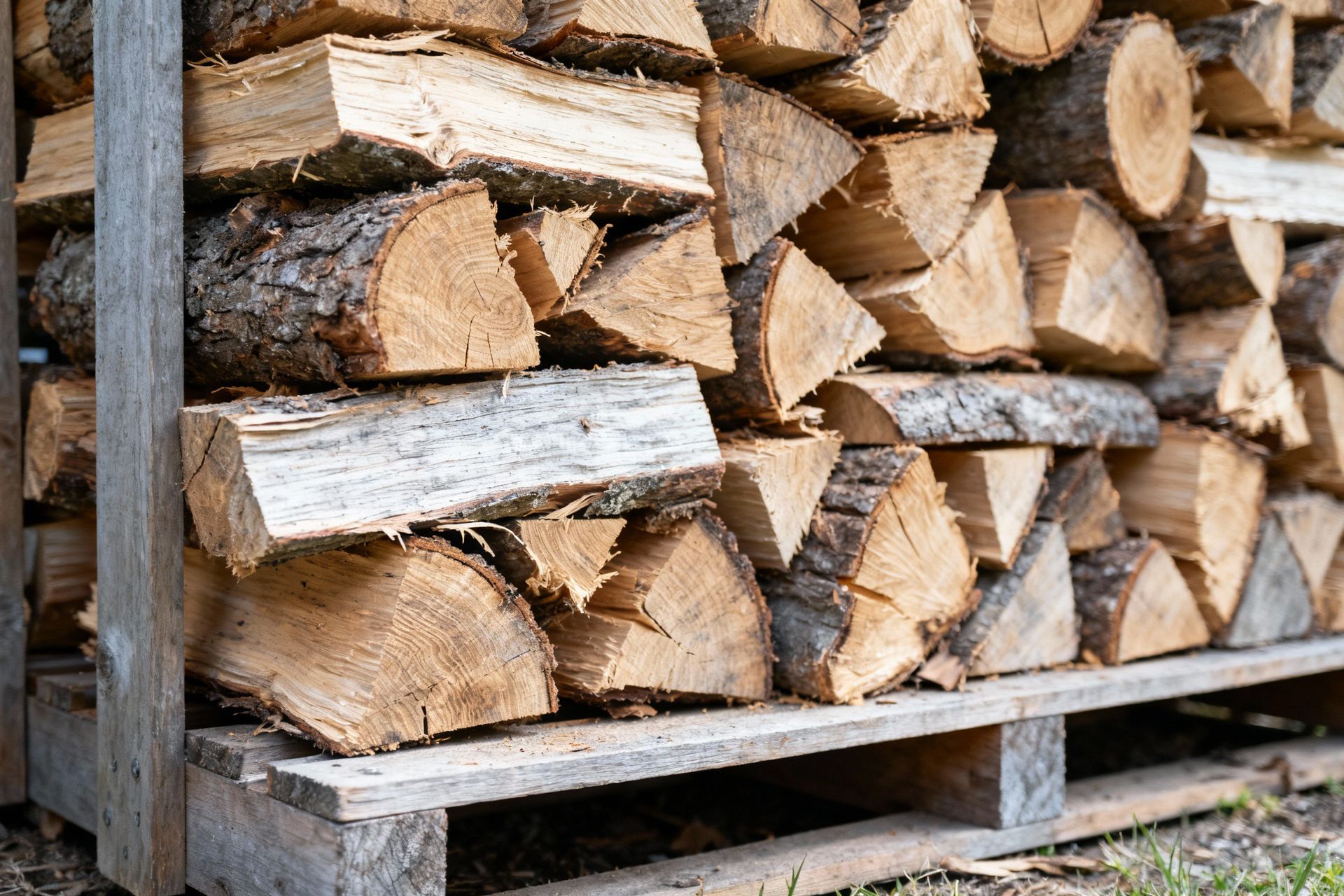
Hardwood is usually denser, so a standard cord commonly holds more available heat and supports a longer fire. Softwood is usually lighter and can be useful when you want a shorter fire or material that helps establish one. Those are useful tendencies, not guarantees about every species or load.
Hardwood and softwood are botanical categories, not quality grades. A hardwood is not automatically dry, clean, or appropriate for every appliance. A softwood is not automatically poor fuel. The exact species and moisture condition can change the result, which is why a responsible comparison should not stop at the category name.
A-1 Tree & Mulch offers mixed hardwood and mixed softwood. Because each product is mixed, this guide does not promise that a particular named species will arrive in your load. Ask us to confirm the current product details when you order.
Hardwood and Softwood Firewood Compared
This comparison shows the practical role of each option without treating either category as universally better.
Generally denser, with more available heat per cord and longer-lasting coals. A practical starting point for sustained fires.
Generally lighter, with a shorter burn. A practical option for shorter fires or helping establish a fire.
Needs to match your appliance instructions, planned use, moisture expectations, and the current product details confirmed at ordering.
14.7 to 30.7 million Btu is the range of potential heat per standard cord across common species in a USDA comparison table at 20 percent moisture and full unit efficiency. The wide range shows why species and density matter more than a blanket label. See the USDA Forest Service fuelwood guide.
Heat Output Depends on More Than the Label
Heat output changes with density, moisture, species, the amount of wood loaded, and the appliance. Dense hardwoods often provide more available heat per cord, but that does not mean every hardwood log burns hotter than every softwood log. Exact heat claims require the species, moisture, and measurement basis.
This distinction matters because firewood is normally bought by volume. A cord of dense wood contains more wood mass than a cord of lighter wood. That is why a per-cord comparison often favors dense hardwood even though the category name alone cannot predict the performance of every piece.
Appliance settings matter too. A fire with more airflow behaves differently from one held at a low burn rate. The firebox size, the amount loaded, and the dimensions of the pieces affect ignition and refueling. Follow the manufacturer’s instructions for your stove, insert, fireplace, oven, or outdoor fire feature.
Moisture and Safe Operation Come First
Neither hardwood nor softwood is automatically the safer choice. The safer decision starts with appropriate moisture, a correctly installed and maintained appliance, adequate airflow, and the manufacturer’s instructions. Wet wood can reduce useful heat and increase smoke, so category claims should never replace a moisture check.
The USDA comparison above reports potential heat at 20 percent moisture, which is a controlled benchmark rather than a promise about a delivered load. Product labels such as kiln-dried, heat-treated, seasoned, or ready-to-burn should only be used when the supplier has confirmed that exact treatment or condition.
Before burning indoors, verify the wood and the appliance requirements yourself. A moisture meter can provide a current reading from a freshly split surface. Keep the chimney and appliance maintained, provide the airflow the manufacturer calls for, and never use a broad hardwood-versus-softwood rule as a substitute for fire safety.
For a separate guide focused on handling the load after delivery, see our firewood safety and storage article. It keeps storage questions separate from this product comparison.
Confirm the Product Before Delivery
Ask about the current load, quantity, delivery area, and any stacking request before choosing hardwood or softwood.
Choose by the Fire You Plan to Build
Choose mixed hardwood when your priority is a sustained fire and fewer reloads. Consider mixed softwood when you are planning a shorter fire or want material for getting a fire established. If your use changes, ask whether ordering both options makes more sense than forcing one category into every job.
For sustained indoor fires
Mixed hardwood is the practical starting point when you expect the fire to run for a longer period. Its density generally provides more heat per cord and longer-lasting coals. Your appliance manual still controls what fuel size and operating method are appropriate.
For shorter outdoor fires
Mixed softwood can be practical when the goal is a shorter recreational fire rather than sustained heating. Confirm local burning rules, use only an appropriate fire feature, and do not assume that faster ignition removes the need to check moisture or follow safe operating practices.
For starting and maintaining a fire
Some customers prefer one product for establishing the fire and another for maintaining it. That can be a reasonable plan, but availability and product details should be confirmed when ordering. We will not promise a particular species blend unless it is confirmed for the load.
Order the Confirmed Product, Not an Assumption
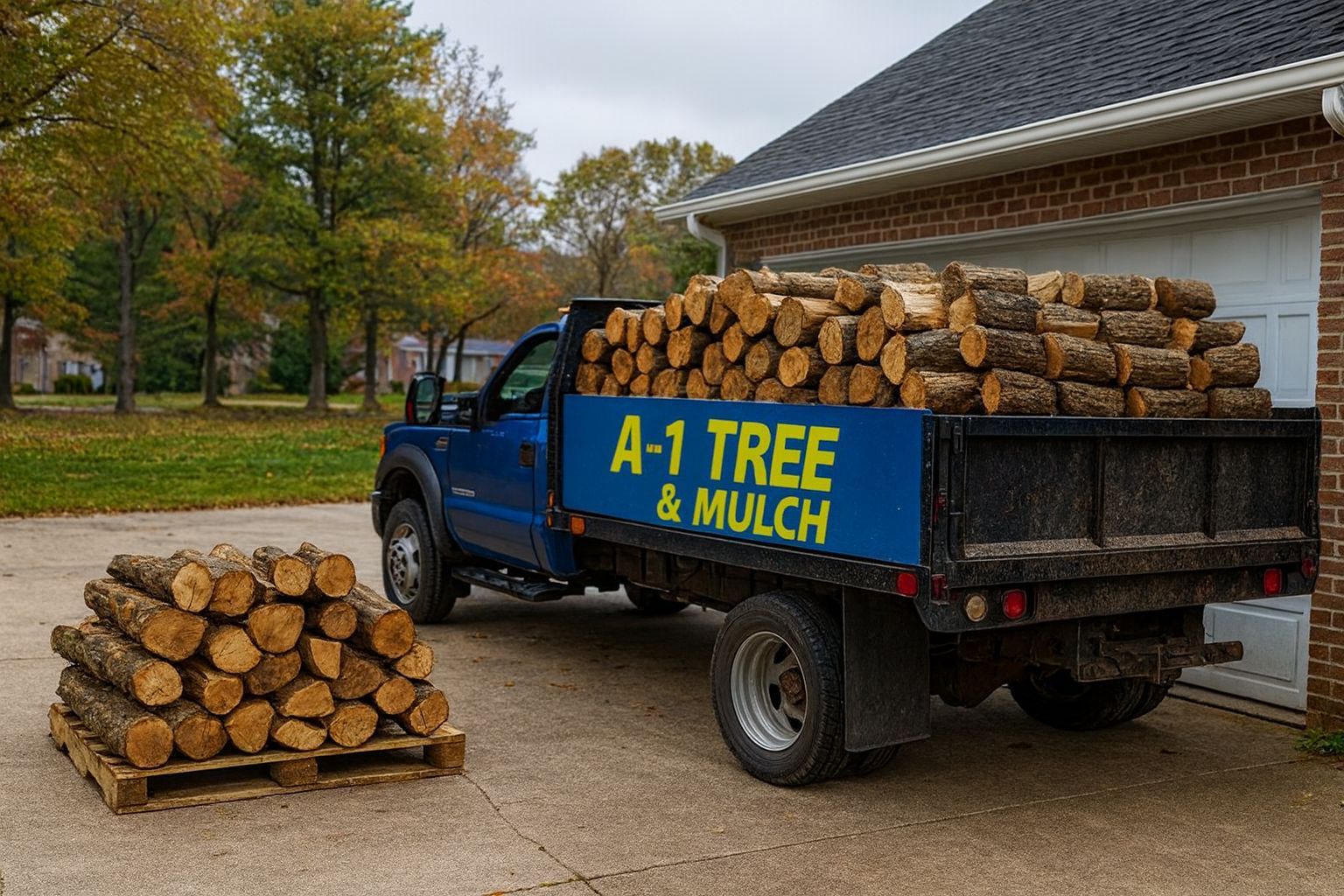
A-1’s confirmed options are mixed hardwood and mixed softwood in half-cord and full-cord quantities. Free driveway delivery is confirmed within 15 miles. Stacking is not included and may be available for an additional charge, while larger orders receive a custom volume quote.
For current quantities, prices, and delivery details, visit our Baltimore-area firewood delivery page. There you can review the confirmed options and contact A-1 before choosing a load for your home, stove, fireplace, or outdoor fire feature.
Availability and product details can change, so ask about delivery timing, the current mix, and the condition of the wood before ordering. You can also read what to look for when buying firewood to prepare the right questions before placing your order.
Hardwood and Softwood Questions, Answered
Is hardwood better for wood burning than softwood?
Not for every use. A-1 offers mixed hardwood and mixed softwood in half-cord and full-cord quantities. Choose based on the fire you plan to build and your appliance instructions, then call or text 443-831-1280 to confirm the current product details and delivery options for your address.
What is the cleanest firewood to burn?
A-1 does not use a blanket “cleanest” label in its confirmed product information. The confirmed options are mixed hardwood and mixed softwood. Ask us to confirm current product details before ordering, and follow your appliance manufacturer’s instructions rather than treating the hardwood or softwood label as a safety guarantee.
Use these pages for the next part of your decision:
- Current firewood quantities, pricing, and delivery details
- Firewood safety and storage guidance
- When to plan a Maryland firewood order
Do Not Guess at the Load
Confirm the current wood, quantity, delivery area, and handling details before the truck arrives.