The Environmental Benefits of Tree Removal in Baltimore County
Removing a tree is not automatically good for the environment. A healthy tree may shade a home, hold soil, support wildlife, and manage rainwater for decades. The environmental case for removal starts only when one tree is declining, invasive, badly placed, or creating a risk that cannot be managed with pruning.
This guide is about that decision, not about treating removal as the default. It explains when a carefully planned removal may protect the rest of a landscape, what responsible handling looks like, and why a qualified on-site assessment matters before equipment arrives.
The environmental benefits of tree removal appear when a hazardous, declining, invasive, or poorly placed tree threatens healthier trees, soil, structures, or future planting. The best outcome comes from assessing the whole site first, removing only what is necessary, and putting the recovered wood back into useful circulation. For a site-specific answer, call 443-831-1280.
Start With the Tree, Not the Saw
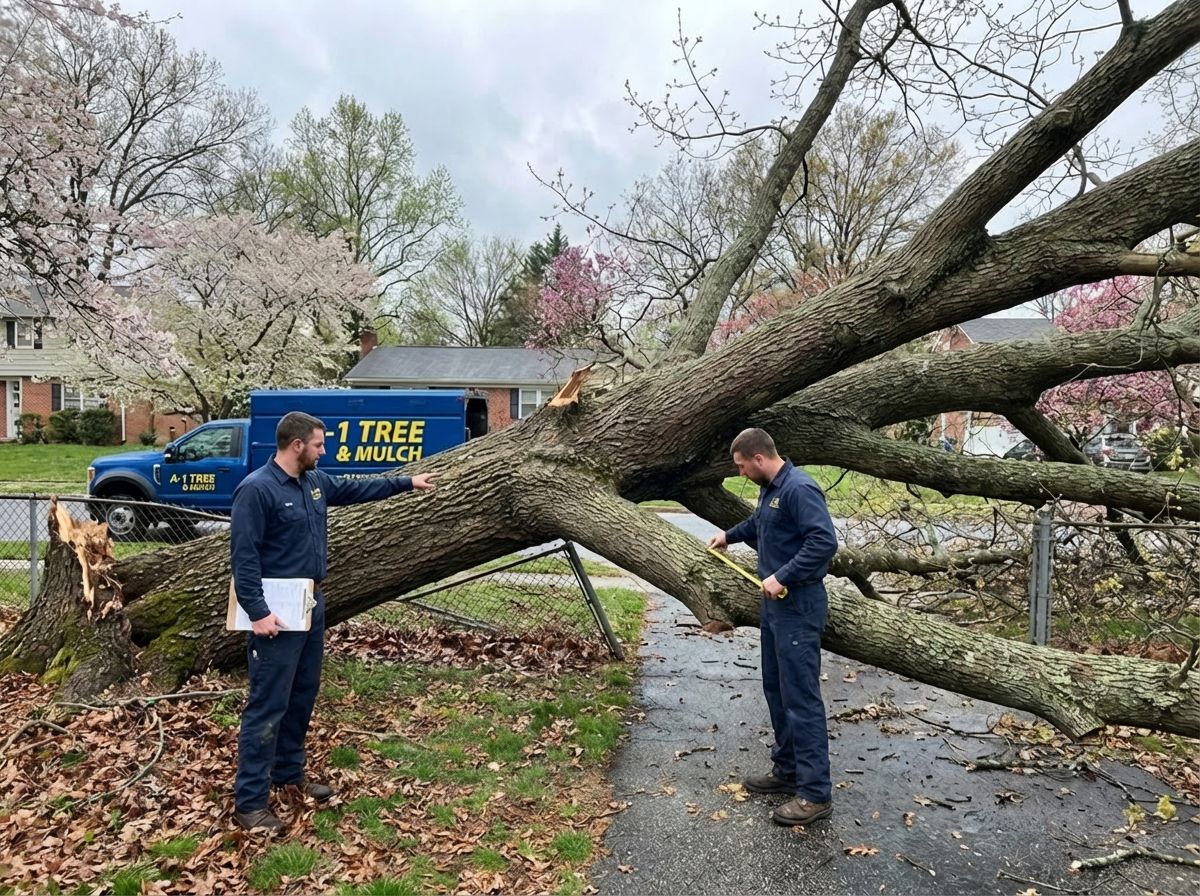
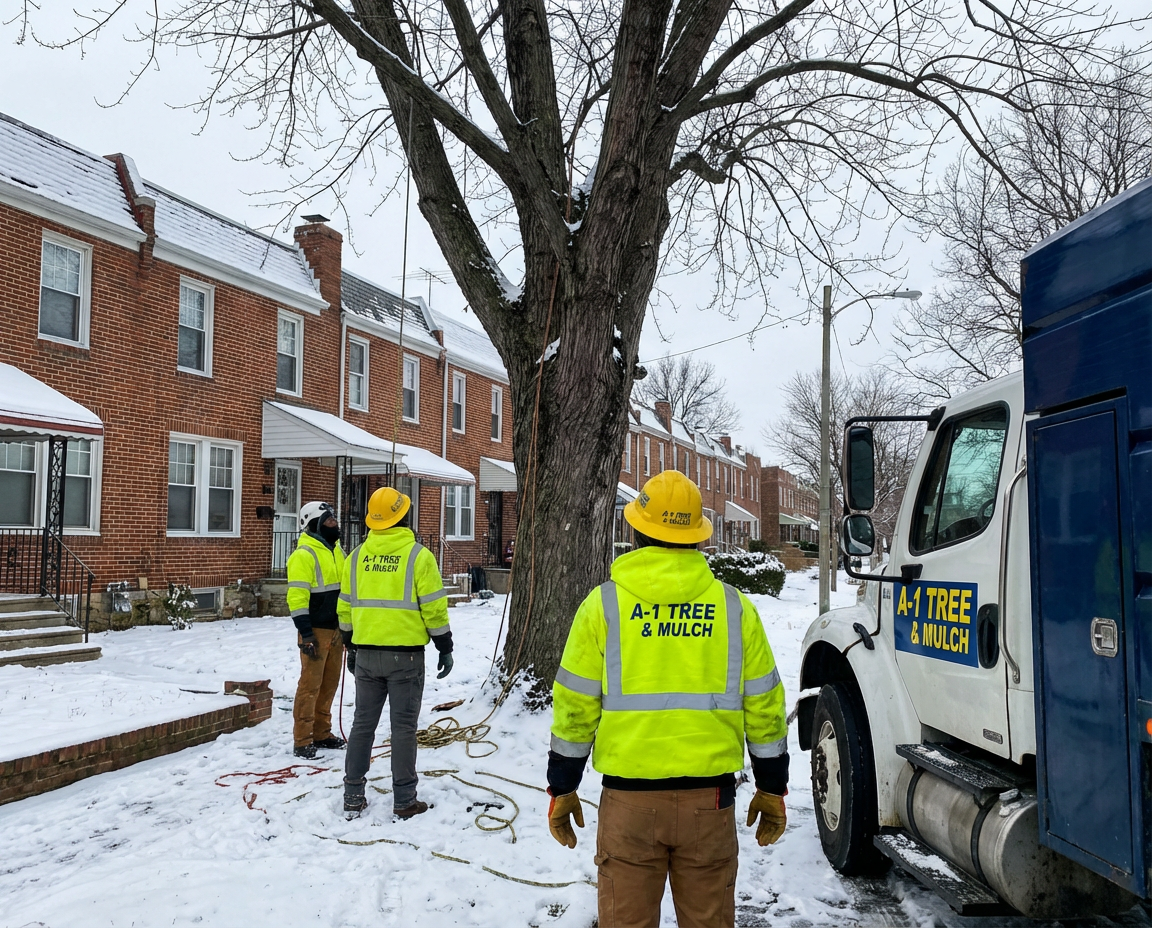
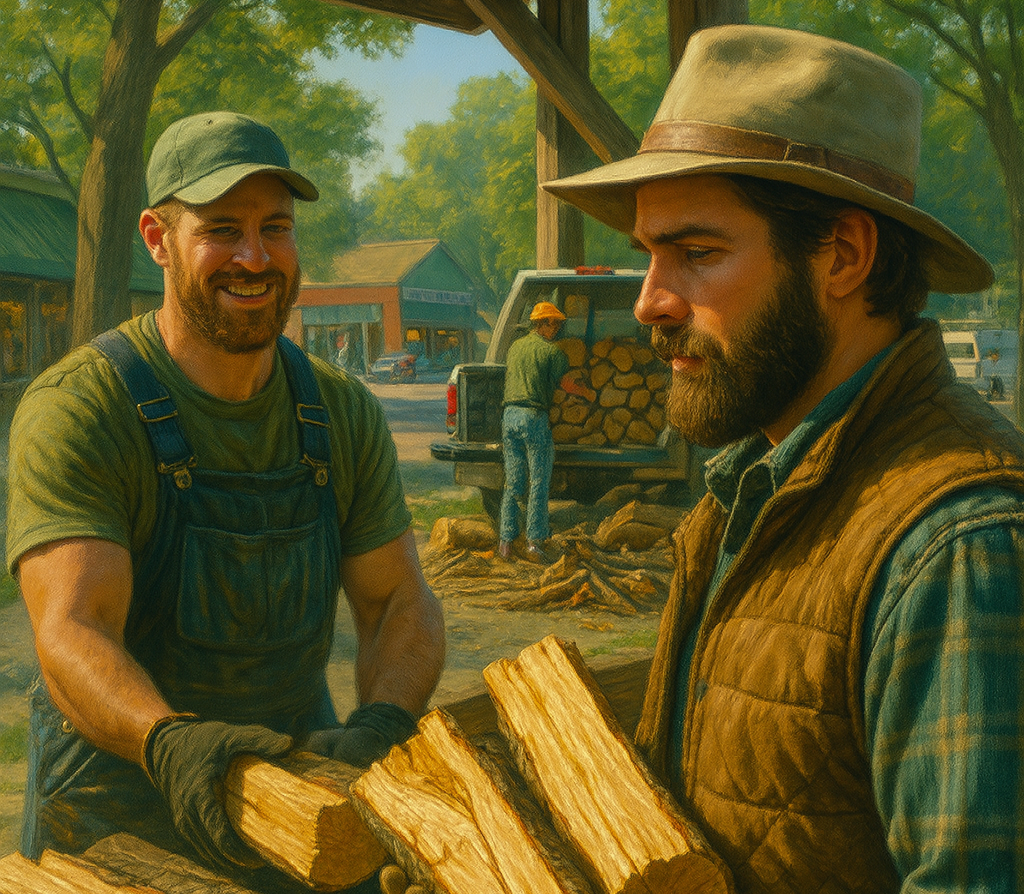
Show the A-1 team the tree and the surrounding yard before deciding what should come down.
When the Environmental Benefits of Tree Removal Are Real
The environmental benefits are real when removal solves a defined site problem and makes room for a healthier long-term landscape. That may mean isolating a severely declining tree, reducing a structural hazard, opening space around better trees, or replacing a poorly placed tree with a more suitable choice.
A decision should begin with condition and context. Dead limbs, visible decline, storm damage, root-zone disturbance, or a new lean may justify closer inspection. None of those signs alone tells a homeowner exactly what to do. The location of the tree, nearby targets, neighboring trees, and the possibility of corrective pruning all affect the answer.
That distinction matters because a broad promise that removal always improves biodiversity is too simple. Taking down a healthy, well-placed tree can remove shade and habitat. Removing a tree that is failing over a house or crowding healthier specimens can create a safer site where the remaining canopy has a better chance to develop.
Preserve or prune first
- The tree is healthy and well placed
- Corrective pruning can address the concern
- The canopy still contributes useful shade and cover
Assess removal
- Decline or damage affects structural stability
- The tree conflicts with buildings or essential access
- Removing it supports a better site plan
Healthy Canopy Is the Goal, Not the Highest Tree Count
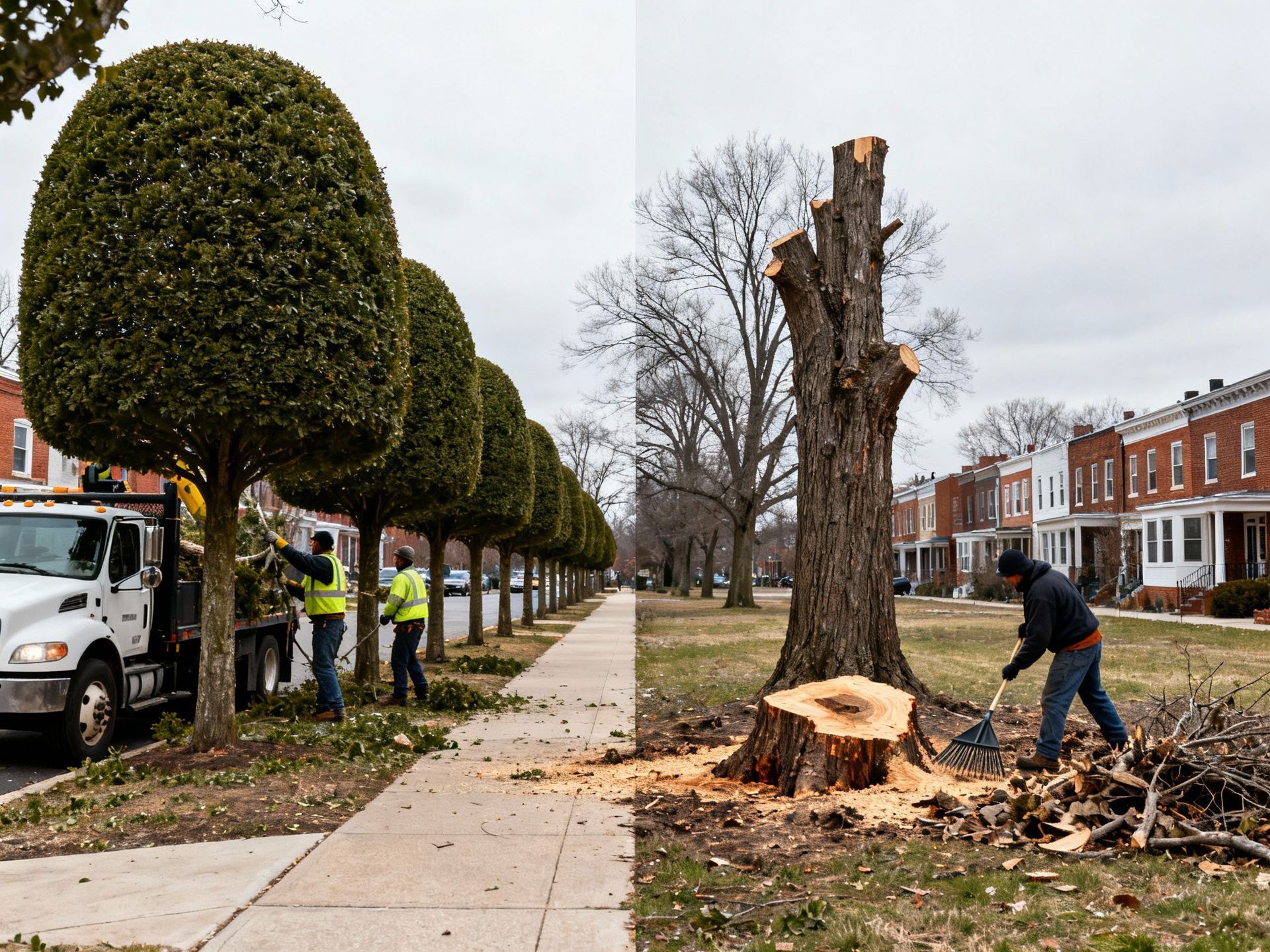
A healthy canopy depends on the condition, placement, and variety of trees, not simply the number of trunks on a property. Selective removal can help when one tree limits the development of better specimens, while unnecessary clearing can erase benefits that take many years to replace.
The scale of that resource is easy to miss. The U.S. Forest Service estimates that urban areas across the country contain 5.5 billion trees and 39.4 percent tree cover. That is a reason to make removal decisions carefully, not a reason to avoid every removal regardless of condition.
5.5 billion trees are estimated in urban areas nationally. Responsible tree work protects the value of the wider canopy by treating removal as one tool within a longer landscape plan.
For a Baltimore County homeowner, the practical question is what the yard should look like five, ten, or twenty years after the work. Can the retained trees expand safely? Is there room for a better-suited replacement? Will the site still manage shade and runoff? Those questions keep the decision focused on environmental results rather than a quick visual cleanup.
Responsible Removal Keeps Wood in Use
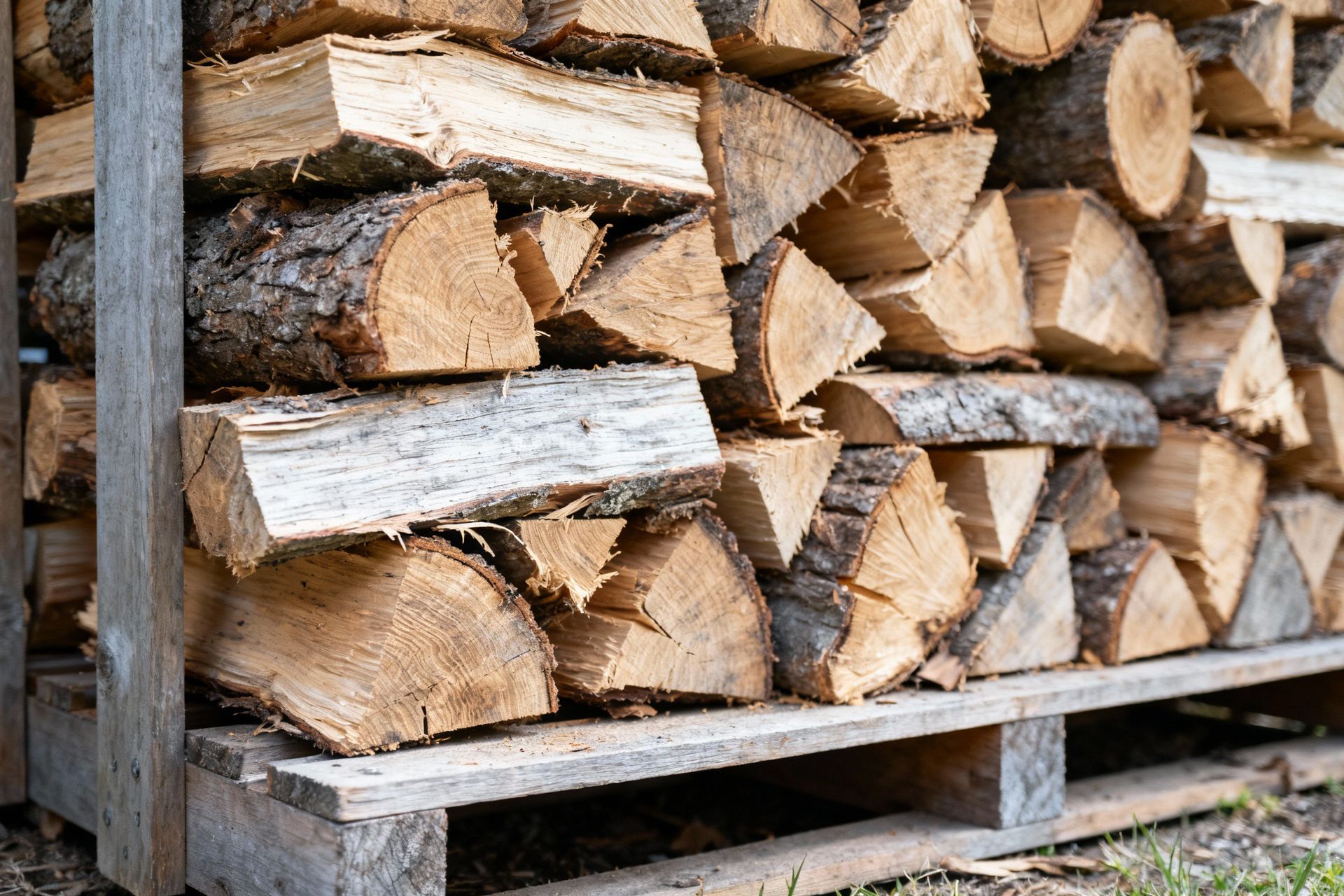
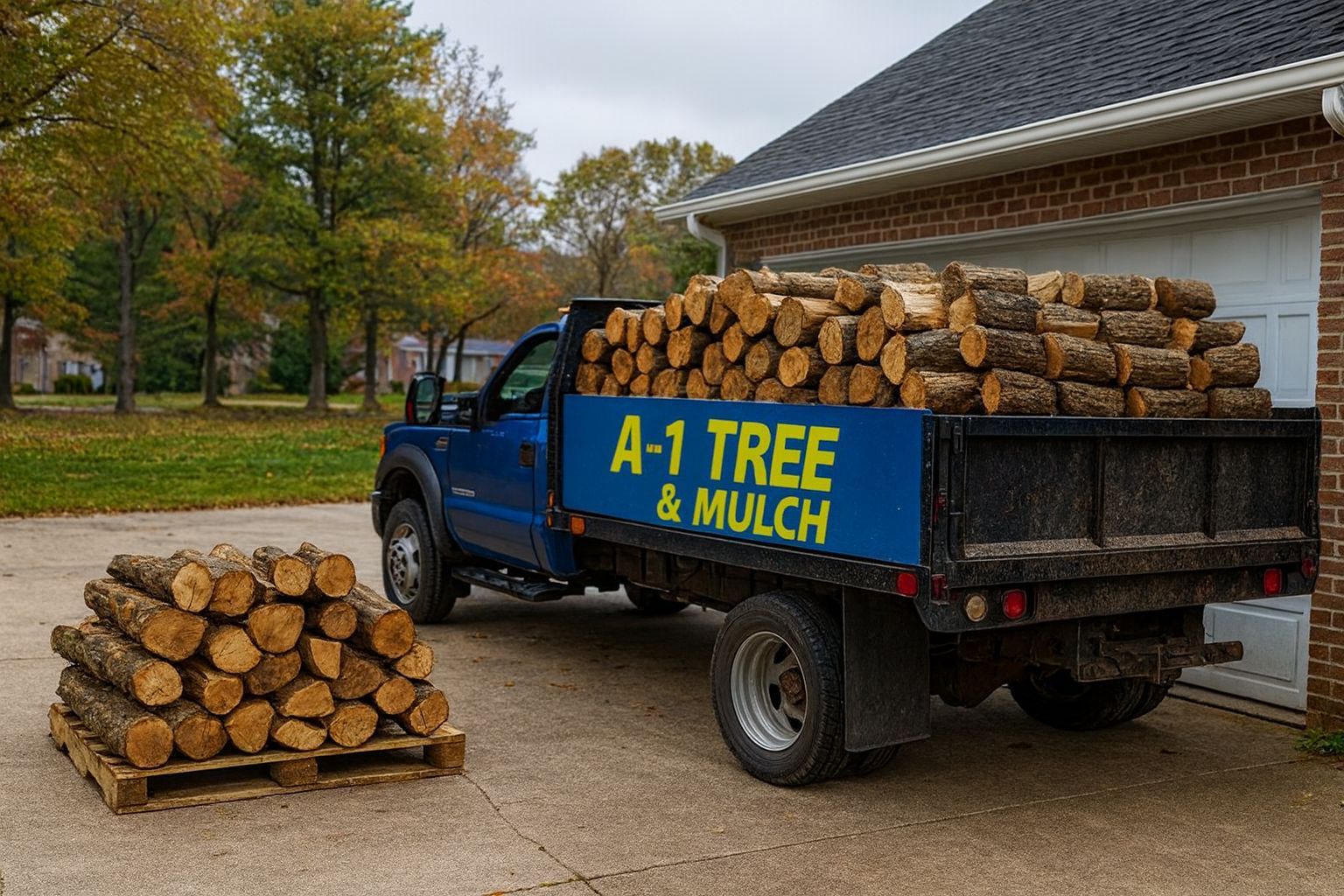
Responsible removal continues after the trunk reaches the ground. A-1 Tree & Mulch runs a closed-loop operation in which removed trees become the mulch and firewood the company sells. Reusing that material reduces waste and gives homeowners a clear answer about what happens after the crew leaves.
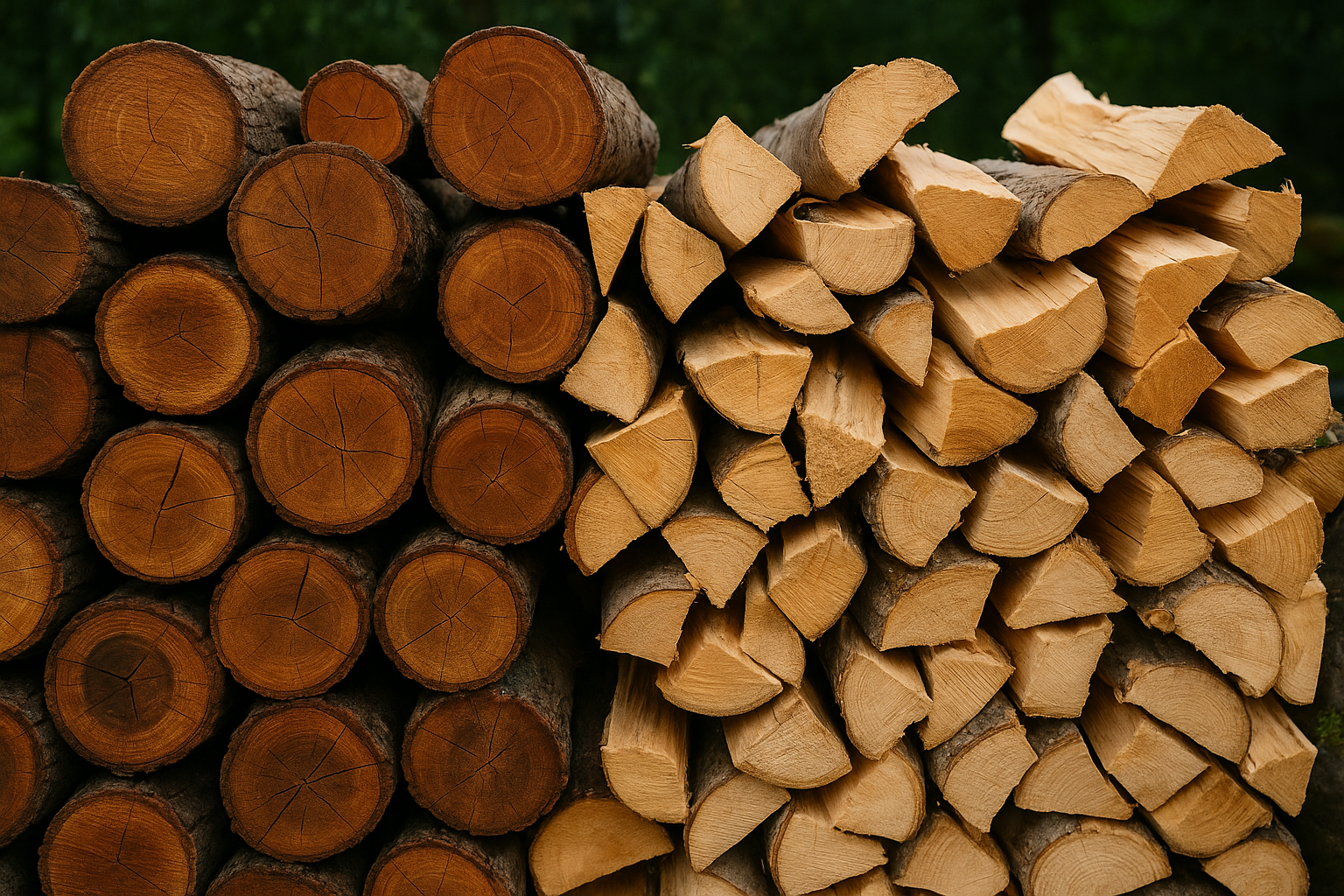
Branches can be chipped, suitable wood can enter the firewood stream, and processed material can return to local landscapes as delivered mulch. A-1 also supplies local firewood. The exact path depends on the material, but the operating principle stays the same: the tree is treated as a usable resource rather than disposable debris.
Reuse does not by itself justify cutting down a healthy tree. It improves the result after removal has already been supported by condition, risk, and the site plan. Keeping those two decisions separate prevents a sustainability claim from becoming an excuse for unnecessary work.
Plan the Next Landscape Before Removal
Use a free on-site estimate to discuss what stays, what goes, and how the material will be handled.
How a Careful Tree Removal Decision Works
A careful decision moves from observation to assessment, then to a defined scope and responsible cleanup. The purpose is to avoid two costly errors: removing a tree that could have been retained, or leaving a damaged tree until weather turns a manageable concern into urgent storm work.
- Look at the whole site Note the tree's condition, nearby structures, access, neighboring trees, and where a future replacement could grow.
- Compare practical options Ask whether monitoring, pruning, or removal best addresses the specific concern rather than assuming the most drastic answer.
- Define the removal and cleanup Confirm which tree or limbs are included, how equipment reaches the site, and how the resulting wood will be reused.
- Protect the next stage Keep healthy trees out of the work zone and decide whether the open space should support a replacement tree or another landscape purpose.
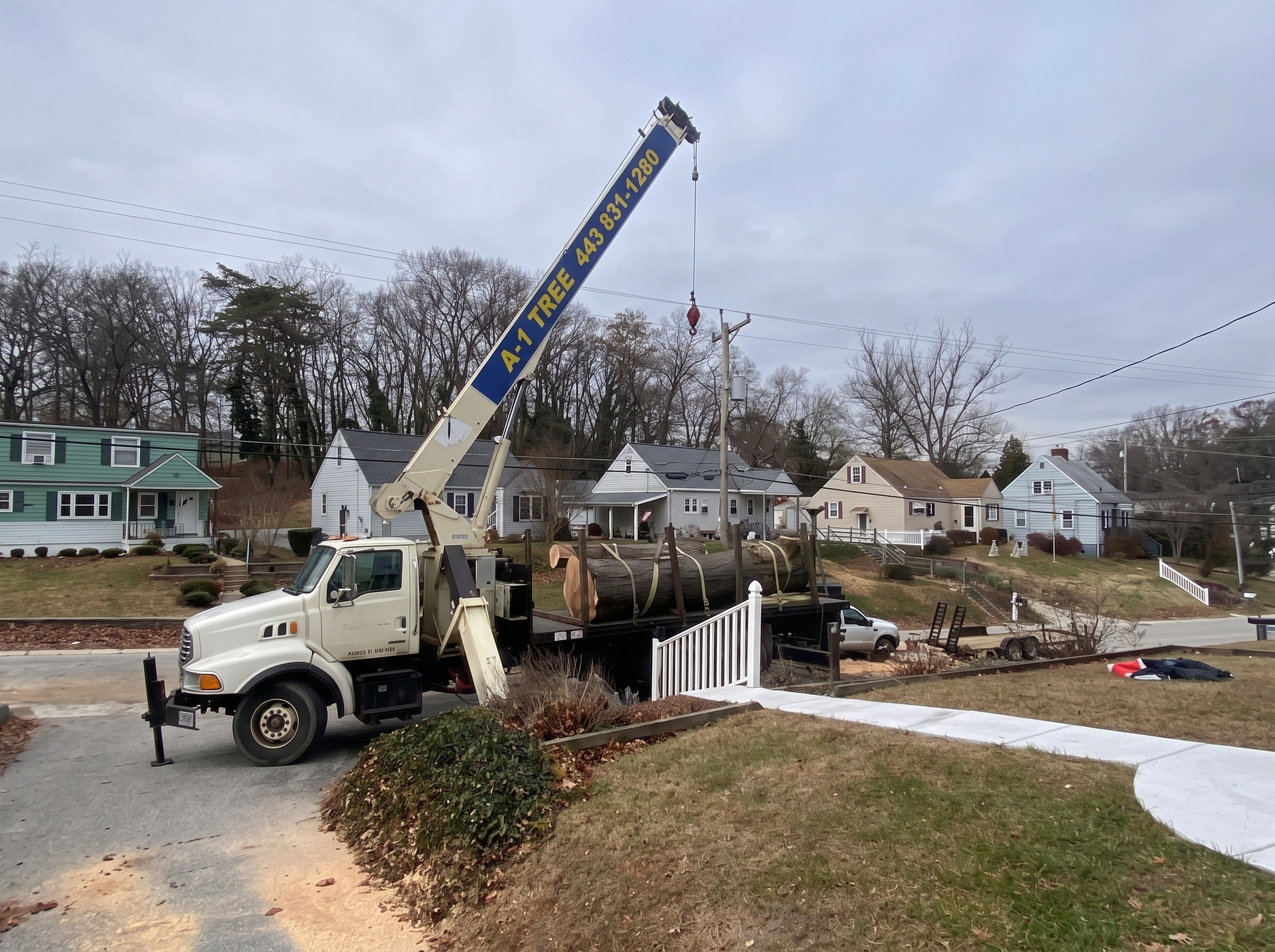
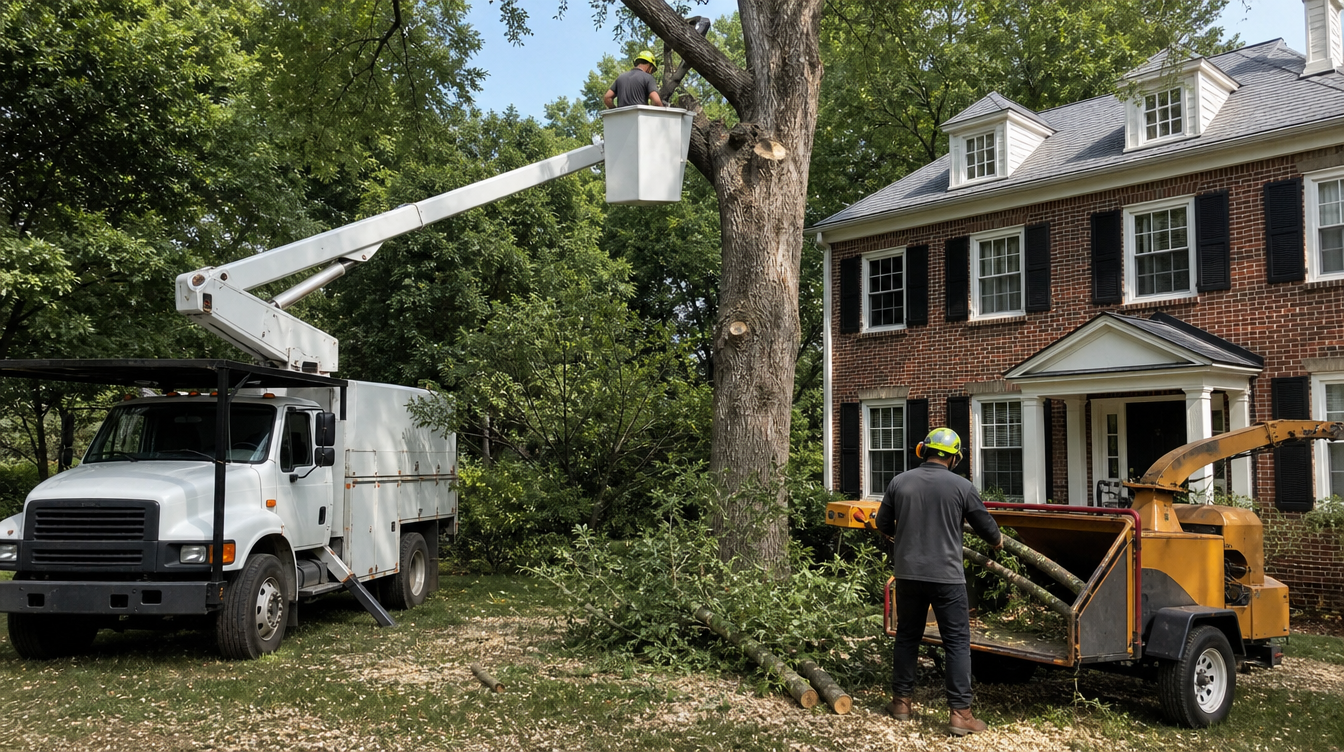
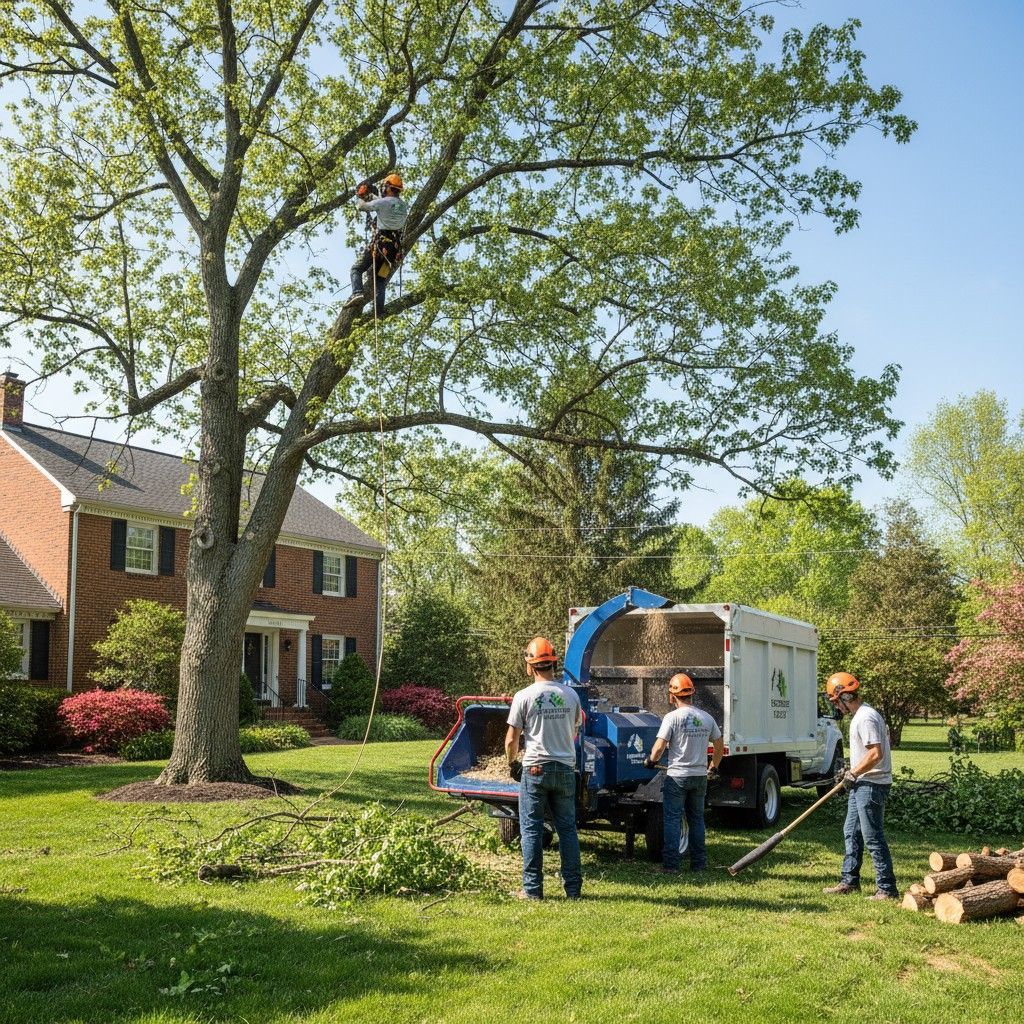
Some jobs need specialized access. A-1 owns its crane, bucket truck, and chippers rather than subcontracting that equipment. When a damaged tree is close to a structure or cannot be dismantled safely from the ground, the plan may include crane-assisted tree work. After severe weather, the separate storm damage cleanup process addresses fallen and hazardous material.
Why a Licensed Tree Expert Belongs in the Decision
A licensed tree expert brings the site, the tree, and the proposed work into one decision. A-1 holds Maryland Licensed Tree Expert #552 and has operated since 1988. The on-site visit is where the team can distinguish a preservation question from a removal project.
For homeowners who have already decided a tree must go, A-1's Baltimore tree removal service page explains the crew, owned equipment, and project process. This article serves a different purpose: helping you decide whether removal supports the environmental health of the property in the first place.
A free estimate is still an estimate for work, not a substitute for a complete ecological study. It is useful because the team can inspect access, visible condition, structures, and the practical options on the actual property instead of making a confident claim from one photograph.
Questions Homeowners Ask Before Removing a Tree
How do you decide when to remove a tree?
Start with the tree's condition, its location, and what could be affected if it fails. Then compare removal with pruning or monitoring. A-1 Tree & Mulch provides a free on-site estimate, and Maryland Licensed Tree Expert #552 can review the visible conditions and define the practical scope.
What happens to the wood after tree removal?
A-1 operates a closed loop: trees the company removes become mulch and firewood it sells. The crew uses owned chippers and other equipment to process material as the job allows. That reuse gives removed wood another purpose, although it does not make removing a healthy tree automatically necessary.
Should I remove a dead tree or leave it standing?
A dead tree needs an on-site assessment because location changes the risk. A tree beside a home, driveway, or occupied yard creates a different decision from one away from people and structures. Call or text A-1 at 443-831-1280 to arrange a free estimate for the specific property.
Related reading can help you separate condition, value, and service questions. Review the five signs that a tree may need removal and the guide to how removal can affect property value. Each answers a narrower question than the commercial service page.
Protect What Should Stay
A good removal plan begins by identifying the healthy trees and landscape benefits worth preserving.